Technical
Standard vs. Shade-Tolerant Solar Panels: When Does the Electrical Design Matter?
Why partial shade affects more than the shaded area, and how Callsun's 200W standard and 215W shade-tolerant modules address different B2B installation conditions.
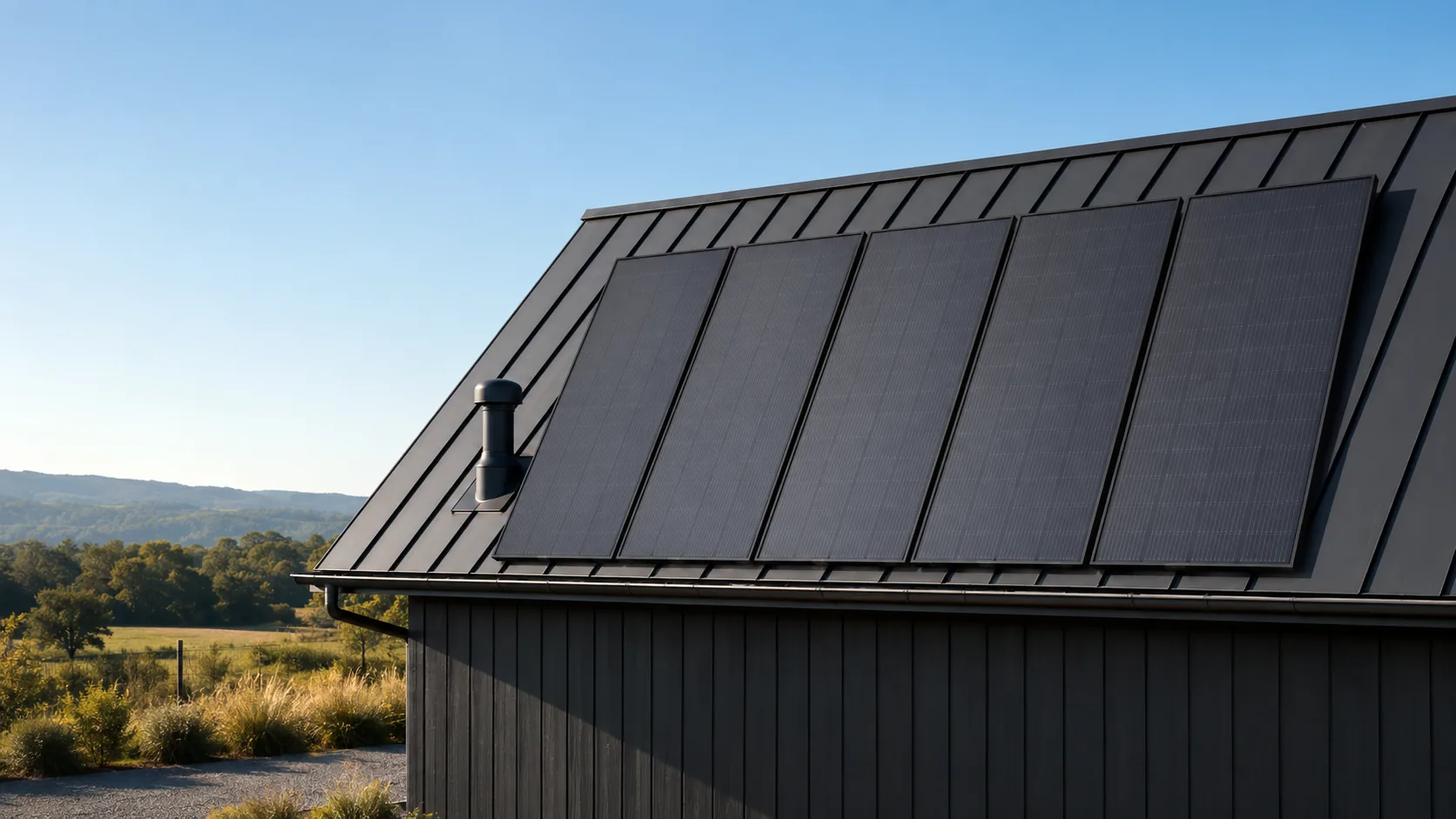
Two solar modules can have similar dimensions and only a small difference in nameplate power, yet behave very differently when part of the surface is shaded. The reason is not the extra watts printed on the label. It is the module’s internal electrical architecture.
This distinction matters when comparing Callsun’s standard 200W module with its 215W shade-tolerant product. The 215W module should not be understood as a universal replacement for the 200W panel. The two products serve different installation conditions. The standard module addresses general applications with limited persistent shade and a strong focus on straightforward value. The shade-tolerant module is designed for sites where fixed objects repeatedly cover part of the panel and usable output during those periods matters.
Why Partial Shade Can Affect More Than the Shaded Area
Solar cells inside a module are electrically connected. In a series path, current is influenced by the lowest-performing part of that path. When one area is shaded, the impact can extend beyond the physical area covered because the affected electrical section may limit current or activate a bypass route.
Bypass diodes help protect cells and allow current to move around an affected section, but the result depends on how the module is divided electrically. The number and position of electrical zones, the cell interconnection layout and the bypass paths determine how much of the module can remain productive under a particular shading pattern.
This is why two panels with similar rated power can produce different results under the same fixed shadow. It is also why “shade tolerant” must describe a tested design and condition—not an unlimited promise.
Shade Is Not One Standard Test Condition
The word shade can describe very different situations. A soft reduction in irradiance from a cloud is not the same as a sharp shadow from an air conditioner. A vertical shadow from a marine mast is not the same as a horizontal shadow across the lower edge of a panel. Tree branches move during the day, while a roof vent may shade the same region at the same time for months.
Performance depends on the location, direction, intensity, duration and covered area of the shade. It also depends on module orientation, system voltage, controller behavior, cable losses and battery or inverter operating conditions. A useful test must control these variables as closely as possible.
How a Shade-Tolerant Design Responds
Callsun’s 215W shade-tolerant module uses a more application-specific electrical layout with additional subdivision and bypass support intended to reduce the effect of certain partial-shading patterns. When one defined region is obstructed, other electrical regions have a better opportunity to continue contributing output than they would in a less segmented conventional design.
The purpose is not to make shade disappear. No module can recover sunlight that does not reach the cells. The engineering goal is to prevent a limited shadow from unnecessarily suppressing a larger usable portion of the module.
A shade-tolerant module is designed to reduce avoidable electrical loss under specific partial-shading conditions. It does not eliminate the physical loss of sunlight and should not be presented as maintaining fixed output under every type of shade.
200W or 215W: Different Jobs, Not a Simple Upgrade
| Selection factor | Callsun 200W standard module | Callsun 215W shade-tolerant module |
|---|---|---|
| Typical environment | Relatively open exposure with limited persistent obstruction | Recurring partial shade from fixed or predictable objects |
| Primary buying value | General-purpose performance and purchasing efficiency | More usable output during relevant partial-shade periods |
| Typical applications | Open roofs, ground deployment, low-shade off-grid sites | RV roofs, marine surfaces, wooded cabins, complex roofs |
| Decision basis | Rated power, dimensions, electrical fit and cost | Shade pattern, electrical architecture, test evidence and system fit |
For an open installation with minimal shade, the standard 200W module may provide the stronger value. The buyer is not paying for a specialized architecture that the site rarely uses. In an RV installation where an air conditioner creates a recurring shadow, a boat where a mast crosses the module, or a cabin surrounded by trees, the 215W shade-tolerant design may create more useful energy over the operating day despite its higher manufacturing complexity.
How to Test Shade Performance Credibly
A valid comparison should use the same controller or inverter, battery or load, cable length and gauge, module orientation, test period and environmental conditions. The shading object, covered area and position should be documented. Baseline output should be recorded before shading, followed by the shaded output and recovery after the obstruction is removed.
Where possible, repeated tests should be performed with several shade directions because a module may respond differently when shade crosses electrical zones in different ways. EL inspection and I–V testing support manufacturing quality, while real-output comparison helps demonstrate the application behavior customers actually care about.
The most credible claim is not “works in shade.” It is a documented statement of how the module responded under a defined test condition.
Design the Site Before Selecting the Module
Before choosing a shade-tolerant product, map the obstruction. Note where the shadow falls, how it moves and how long it remains. Consider whether the module can be relocated or reoriented, because avoiding shade is usually the first and most effective design step. If shade cannot be avoided, the internal electrical design becomes more important.
The system should also be checked for voltage and current compatibility. A specialized module still needs to operate within the controller, inverter, protection and storage limits of the complete installation.
From Product Claim to Engineering Evidence
Callsun supports standard and shade-tolerant module development through sample production, electrical design, EL inspection, I–V testing and controlled comparison work. Its approximately 55,000-square-meter manufacturing base combines automated standard production with flexible non-standard module engineering for applications such as RVs, marine installations, off-grid cabins and equipment-integrated solar.
If your application has a recurring shading problem, provide Callsun with installation photographs, usable dimensions, the direction and duration of the shadow, system voltage and expected order volume. Our team can help determine whether a standard module, shade-tolerant design or different layout is the most practical response.
Tagged
Next step
Have a recurring shading problem?
Provide Callsun with installation photographs, usable dimensions, the direction and duration of the shadow, system voltage and expected order volume. Our team can help determine whether a standard module, shade-tolerant design or different layout is the most practical response.
Request a shading reviewContinue Reading
Related articles
Solar Design for Limited Installation Space: Why Power Density Matters More Than Panel Wattage
Read
From Standard PV Modules to Custom Engineering: Supporting Diverse Solar Applications
Read