Product
Single-Glass vs. Dual-Glass Solar Modules: How B2B Buyers Should Choose
A B2B buyer's guide to single-glass and dual-glass solar module construction—weight, mounting, rear-side light, mechanical loads and how to select by application.
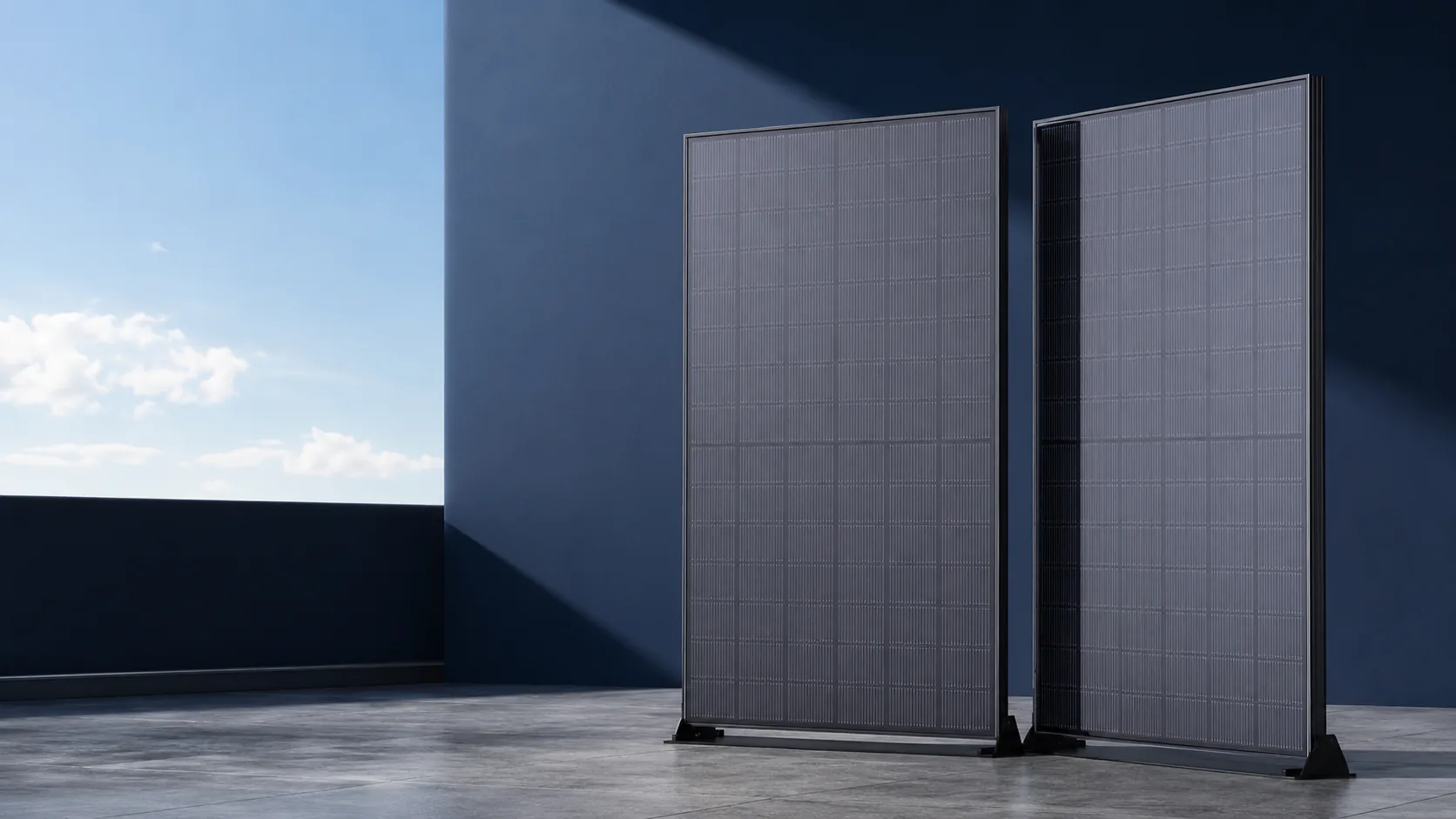
Single-glass and dual-glass modules can use the same high-efficiency cells, similar electrical layouts and the same rated power class, yet serve different project priorities. The distinction lies in the module stack and what that structure means for weight, handling, environmental protection, rear-side exposure and mounting design.
For distributors and project buyers, the wrong approach is to position one construction as universally superior. The better approach is to define where each product creates value and give customers enough information to select by application.
What “Single-Glass” and “Dual-Glass” Mean
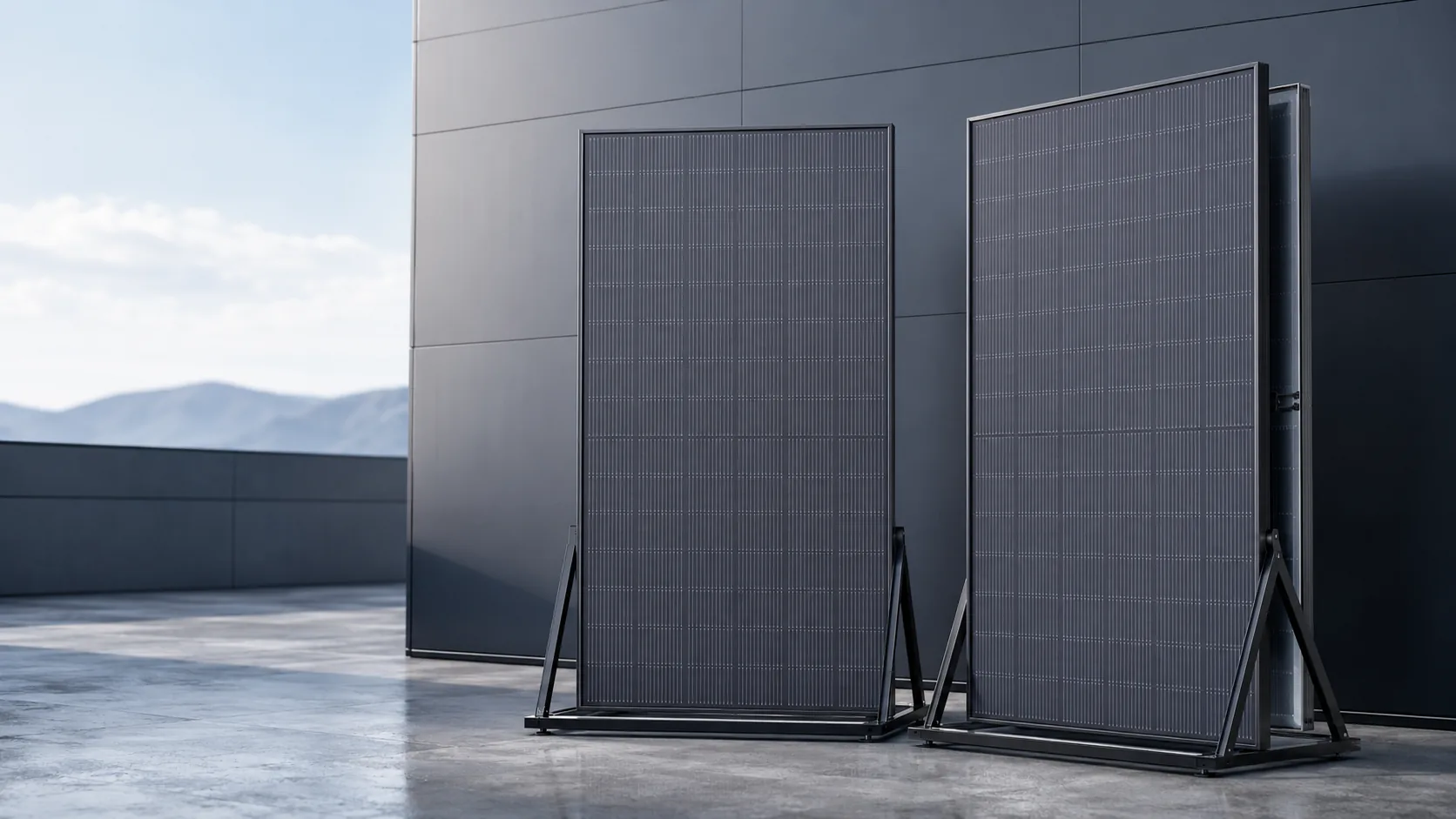
A conventional single-glass module uses front glass over the cells with a polymer backsheet or another rear protective layer. A dual-glass module uses glass on both the front and rear sides of the cell laminate. The exact glass thickness, encapsulant, frame and rear transparency vary by product, so construction drawings and datasheets should be checked rather than relying only on the category name.
Both structures can be engineered as high-performance products. Callsun applies N-type cell technology in its high-power product platforms, with conversion efficiency of up to 25.6% depending on the specific module configuration. Cell efficiency does not by itself decide whether single-glass or dual-glass construction is more appropriate.
Weight, Handling and Roof Conditions
Single-glass modules are typically lighter than comparable dual-glass modules because the rear glass is replaced by a lighter protective layer. This can simplify manual handling and may reduce structural loading, although actual product weights must be checked. The advantage is relevant to residential roofs, off-grid cabins, smaller commercial buildings and projects with constrained access.
Dual-glass products introduce another glass layer. The structure can provide a different rear-side environmental barrier, but it also changes weight, handling and mounting requirements. Installers and project engineers should confirm roof or support capacity, clamp zones, mounting orientation, transport protection and local mechanical-load requirements.
Rear-Side Light: Construction Alone Does Not Create Energy
Some dual-glass modules use a transparent or semi-transparent rear structure and bifacial cells, allowing the rear side to convert reflected light. However, bifacial gain depends heavily on the installation. The rear side needs a clear view of reflected irradiance. A module mounted almost flush to a dark roof will usually receive less useful rear-side light than a module raised above a bright surface or installed on an open ground-mount structure.
Ground reflectivity, module height, tilt, row spacing, rear obstruction and shading all affect the result. Snow, pale gravel, light-colored roofing and other reflective surfaces may create more rear-side opportunity than dark soil or a close-mounted roof. Therefore, buyers should not assume a fixed bifacial gain from the words “dual-glass” or “bifacial.”
Dual-glass describes module construction. Bifacial describes the ability to generate from both sides. A dual-glass module is not automatically valuable for rear-side generation unless the cell design and installation allow reflected light to reach the back.
Environmental and Mechanical Considerations
The rear material influences how the laminate responds to moisture, ultraviolet exposure, mechanical stress and long-term outdoor conditions. Dual-glass construction can offer a robust barrier on both sides and is often considered for exposed ground-mount and demanding environmental applications. Single-glass modules can also provide long service when the backsheet, encapsulant, frame and manufacturing process are properly specified.
Mechanical behavior is not determined by the number of glass layers alone. Frame design, glass thickness, mounting points, clamp selection and support span all matter. Project buyers should review verified load data and installation instructions for the specific module rather than applying a general category assumption.
Application-Based Comparison
| Decision area | Single-glass module | Dual-glass module |
|---|---|---|
| Typical weight and handling | Generally lighter and easier to handle; verify actual datasheet | Generally heavier; confirm lifting and structural requirements |
| Rear-side construction | Front glass with protected rear layer | Glass on front and rear |
| Bifacial opportunity | Usually not the primary value proposition | Possible when bifacial cells and transparent rear construction are used |
| Typical application fit | Residential roofs, cabins, smaller commercial roofs, weight-sensitive projects | Open racks, ground mounts, reflective sites, projects prioritizing dual-glass construction |
| Key design check | Backsheet system, roof load, mounting and electrical fit | Rear clearance, albedo, mounting structure, weight and mechanical design |
How Callsun Positions the Product Options
For the 450W class, the single-glass option is suited to customers seeking high power, strong space utilization and a comparatively straightforward rooftop or off-grid installation path. The dual-glass option addresses customers whose mounting design, environmental requirements or rear-side exposure support the value of that construction.
Higher-power 580W and 620W classes should likewise be selected according to the project layout, handling plan, electrical design and certification requirements. A larger number on the datasheet does not remove the need for structural and system review.
This product architecture helps distributors avoid presenting every module as a direct substitute. Single-glass and dual-glass variants can occupy distinct positions in the portfolio, making the sales conversation clearer and reducing the risk of overselling a feature that the installation cannot use.
Questions Buyers Should Ask Before Selecting
Start with the installation surface and structure. Determine whether the project is rooftop, open-rack or ground-mounted; whether rear-side light is available; how modules will be transported and lifted; what wind and snow loads apply; and whether local certification or fire requirements affect the construction choice.
Then compare actual module dimensions, weight, efficiency, voltage, current, temperature coefficients, mechanical-load ratings, warranty terms and installation instructions. If bifacial yield is part of the business case, model a realistic gain based on the actual site rather than a generic percentage.
Manufacturing and Validation Still Decide the Outcome
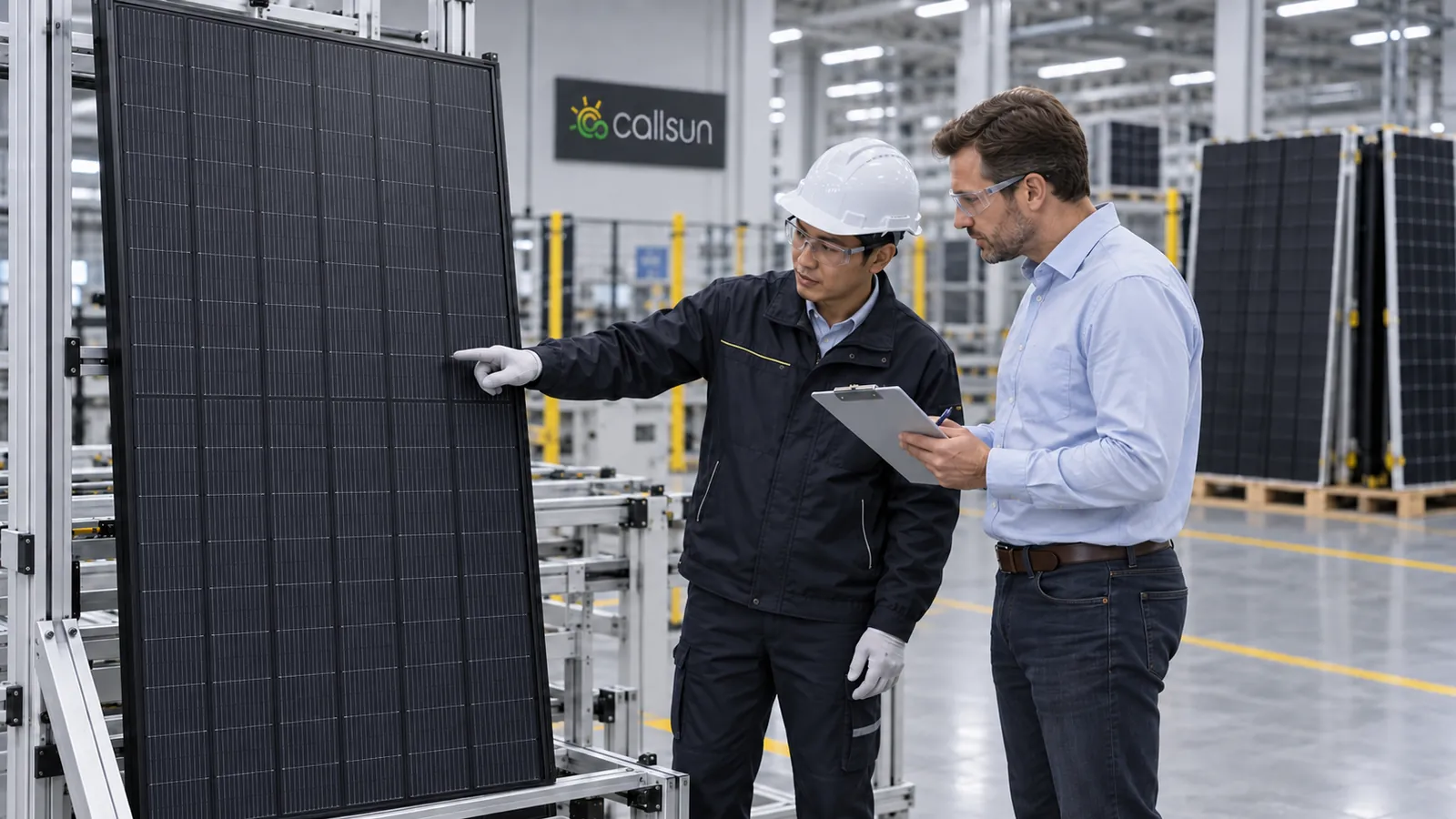
Whichever construction is selected, material control, lamination, framing, junction-box installation, EL inspection, I–V testing and reliability validation remain essential. Callsun’s approximately 55,000-square-meter manufacturing base supports high-power standard modules alongside flexible engineering and testing capabilities.
Share your installation type, project location, module quantity, structural conditions, target power and rear-side environment with Callsun. Our team can help evaluate whether a single-glass or dual-glass module offers the more credible fit for the project.
Tagged
Next step
Selecting the right module construction?
Share your installation type, project location, module quantity, structural conditions, target power and rear-side environment with Callsun. Our team can help evaluate whether a single-glass or dual-glass module offers the more credible fit for the project.
Request a construction reviewContinue Reading