Industry
Complex Industrial Rooftop Solar Projects
Explore selected Callsun industrial rooftop solar project references and learn how usable roof zones, module dimensions, electrical fit and consistent supply affect complex rooftop PV projects.
Selected Callsun project references and practical considerations for PV module supply on space-constrained industrial roofs
The difficult part of an industrial rooftop project is often not the total roof area, but how much of that area can actually be used.
Roof ridges, raised sections, skylights, ventilation equipment, aging roof zones, drainage paths and maintenance access can divide one large roof into many smaller installation areas. The module layout must work within those boundaries rather than treating the roof as one uninterrupted surface.
This portfolio brings together selected complex and segmented industrial roof references from Callsun. Project names, locations, capacities and individual system details are not disclosed. The purpose is to show recurring roof conditions and the module-supply questions they create for distributors, installers, system providers and project buyers.
Usable Roof Area Is More Important Than Total Roof Area
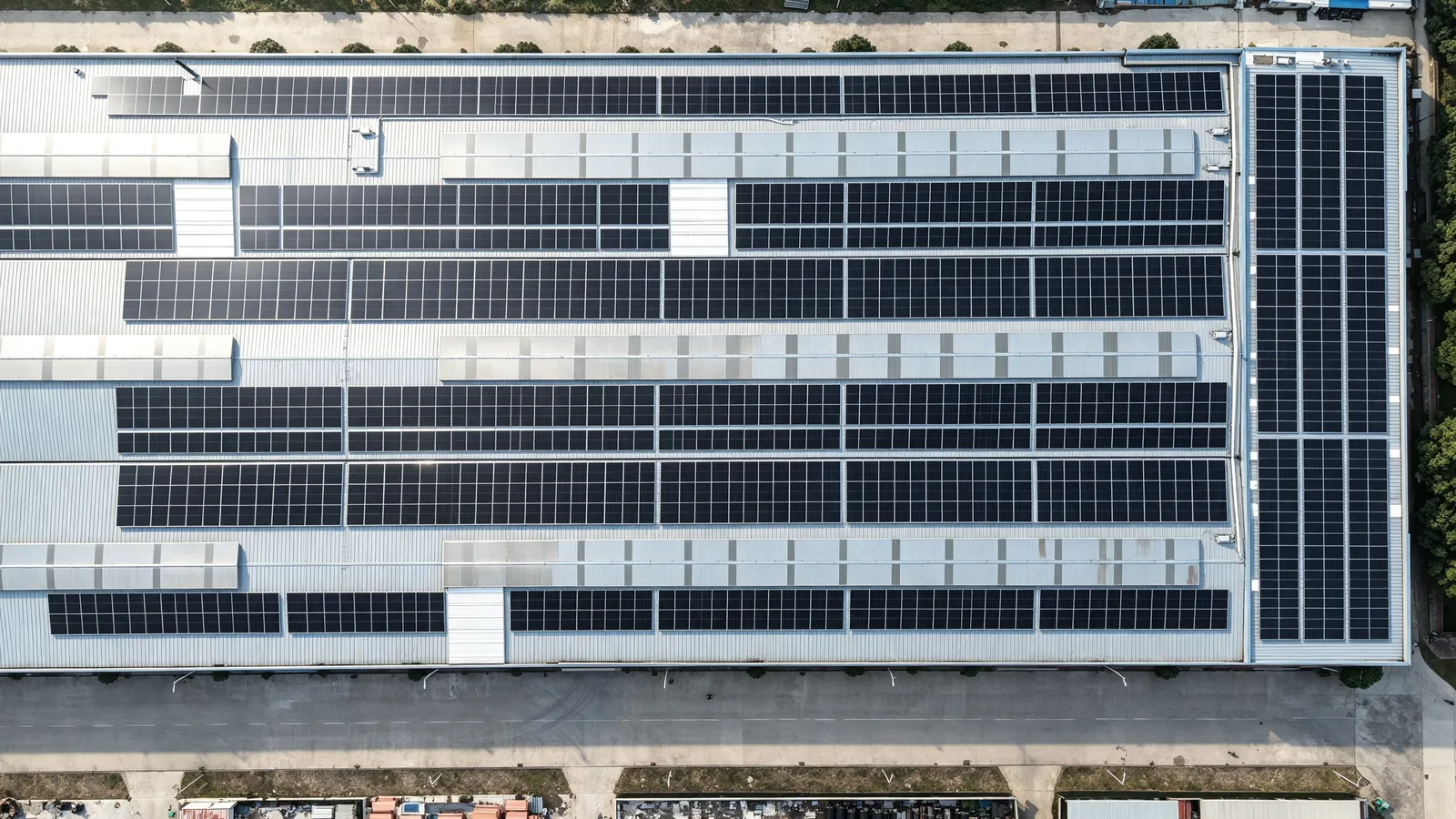
A building may appear to offer a large installation surface, yet only part of that surface may be suitable for modules. Existing roof structures and required clearances can leave a series of narrow or irregular zones.
In the project image above, the arrays follow the available roof bands instead of forming one continuous field. This kind of layout makes module dimensions especially important. A small change in length or width can alter the number of modules that fit in each band and can affect the complete array plan when repeated across the roof.
For product evaluation, buyers should therefore work from measured usable zones, not from gross building dimensions. Final structural suitability, spacing and access requirements must be confirmed by qualified project parties according to the site and applicable local requirements.
Long, Narrow Roof Zones Change the Module Calculation
Some industrial roofs provide long strips of usable space beside skylights, raised ridges or equipment corridors. These strips may support substantial capacity, but they impose different constraints from a broad, open roof.
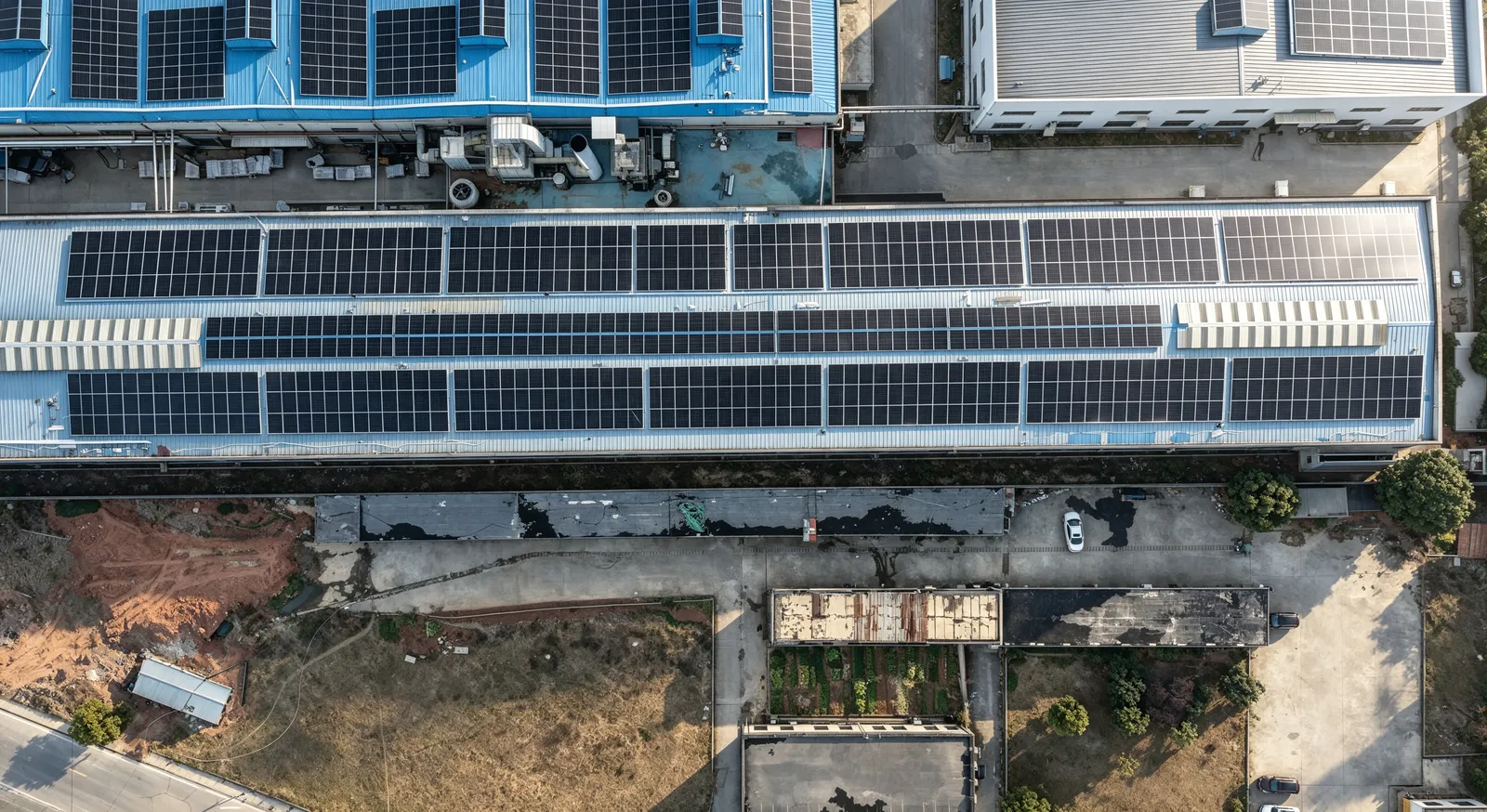
Solar arrays installed along long, narrow sections of an industrial roof
Solar arrays installed along long, narrow sections of an industrial roof
In narrow zones, row length and module orientation can determine whether the layout uses the available space efficiently. Higher wattage per module may reduce module count, but a physically larger module may also leave unusable residual space or change handling and mounting requirements.
The correct comparison is therefore not only watts per panel. It should include module dimensions, planned row count, electrical characteristics, mounting conditions and compatibility with the proposed inverter and string design.
Raised Roof Sections Create Separate Installation Blocks
Roof monitors, raised daylighting structures and service areas can divide the main roof plane into repeated blocks. Each block may be simple on its own, while the complete project requires many small layout decisions.
A segmented layout increases the importance of keeping product information consistent. Module dimensions, frame construction, voltage, current, connectors, cables and labeling need to follow the approved specification so that separate installation blocks can be planned from the same technical reference.
Where different orientations or roof zones are involved, the qualified system designer should verify string configuration and electrical compatibility. The module supplier can support this process with accurate model data, but should not substitute for project-specific system design or installation approval.
Selecting a Standard Module for a Complex Roof
Standard modules should remain the first option when an available product can meet the project requirements. Mature dimensions, electrical configurations, manufacturing processes and supply arrangements make standard products easier to document and repeat in volume production.
Callsun’s current standard PV module portfolio covers 450W, 580W, 620W and 720W power classes for applications including distributed PV and small commercial and industrial projects. These power classes provide different starting points, but the highest available wattage should not be treated as the automatic choice for a segmented roof.
The selection should begin with the target capacity, measured usable areas, proposed module dimensions, electrical requirements, installation method, operating environment, order volume and destination market. Product fit should be checked for the complete roof layout, not only for one representative section.
Consistency Must Continue into Volume Supply
Once a module has been approved, the agreed requirements need to be transferred into production and maintained through final release. On a roof with many separate array blocks, an unexpected change in dimensions, electrical characteristics or supplied accessories can create repeated problems across the project.
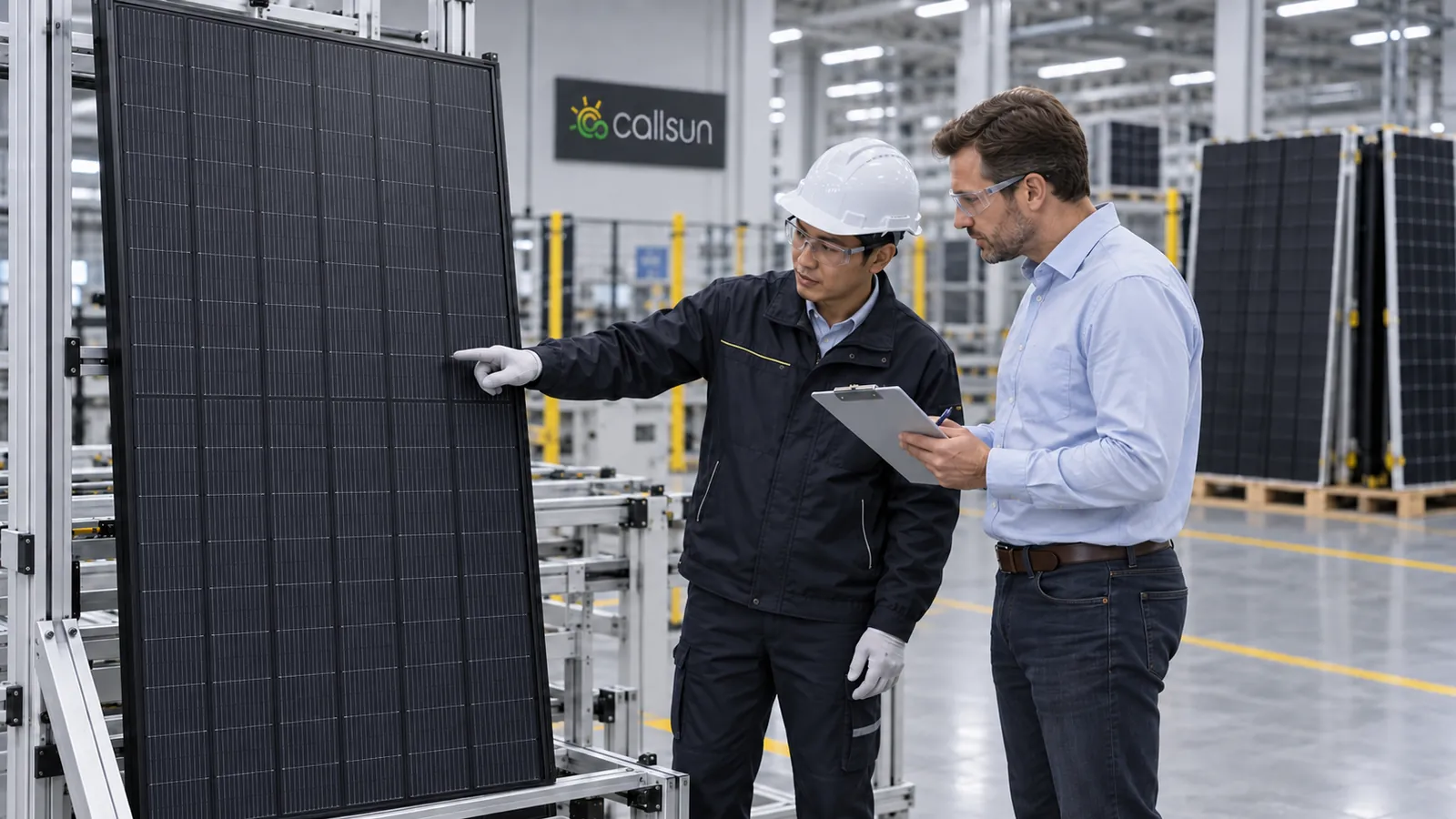
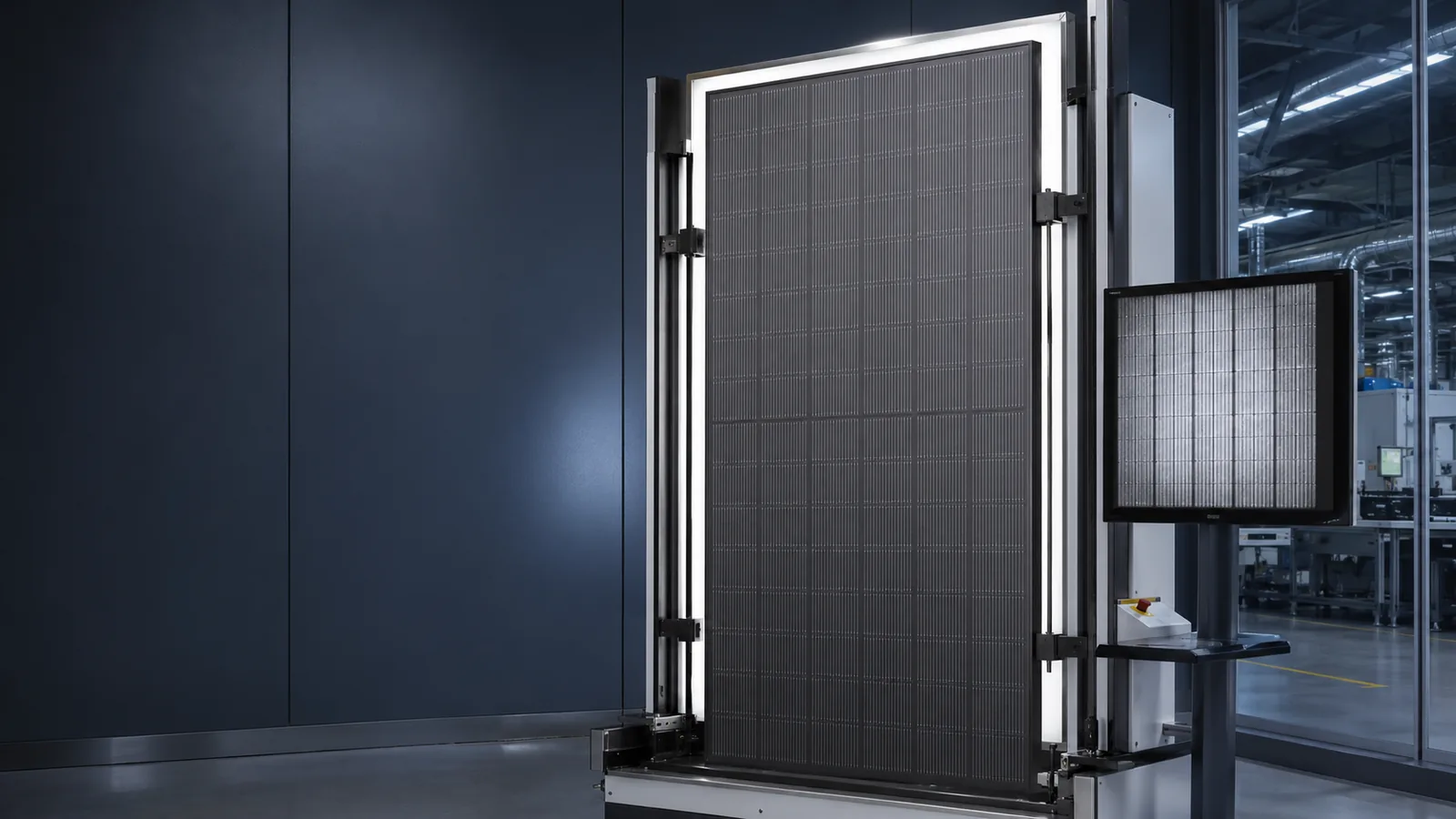
Callsun uses fully automated production for standard PV modules. The production process covers non-destructive cell cutting, multi-busbar string welding, in-process EL inspection, vision-guided layup, controlled high-temperature vacuum lamination, automated framing and final EL and I-V testing.
EL inspection and I-V testing form part of a broader manufacturing-control process. They serve different factory-release purposes and do not replace structural assessment, site design, installation inspection, commissioning or long-term operating evaluation.
Documentation Should Match the Exact Supplied Model
Complex roofs often involve several project parties working from the same drawings and equipment schedule. Before an order is confirmed, buyers should review the datasheet, dimensions, electrical parameters, mechanical construction, connector information and applicable documents for the exact module being purchased.
A document associated with one model should not automatically be applied to another model in the same power range. Destination-market requirements, local electrical rules, structural standards and permitting conditions also need to be reviewed by the appropriately qualified professionals in that market.
What Segmented Industrial Roof Projects Require from a Module Supplier
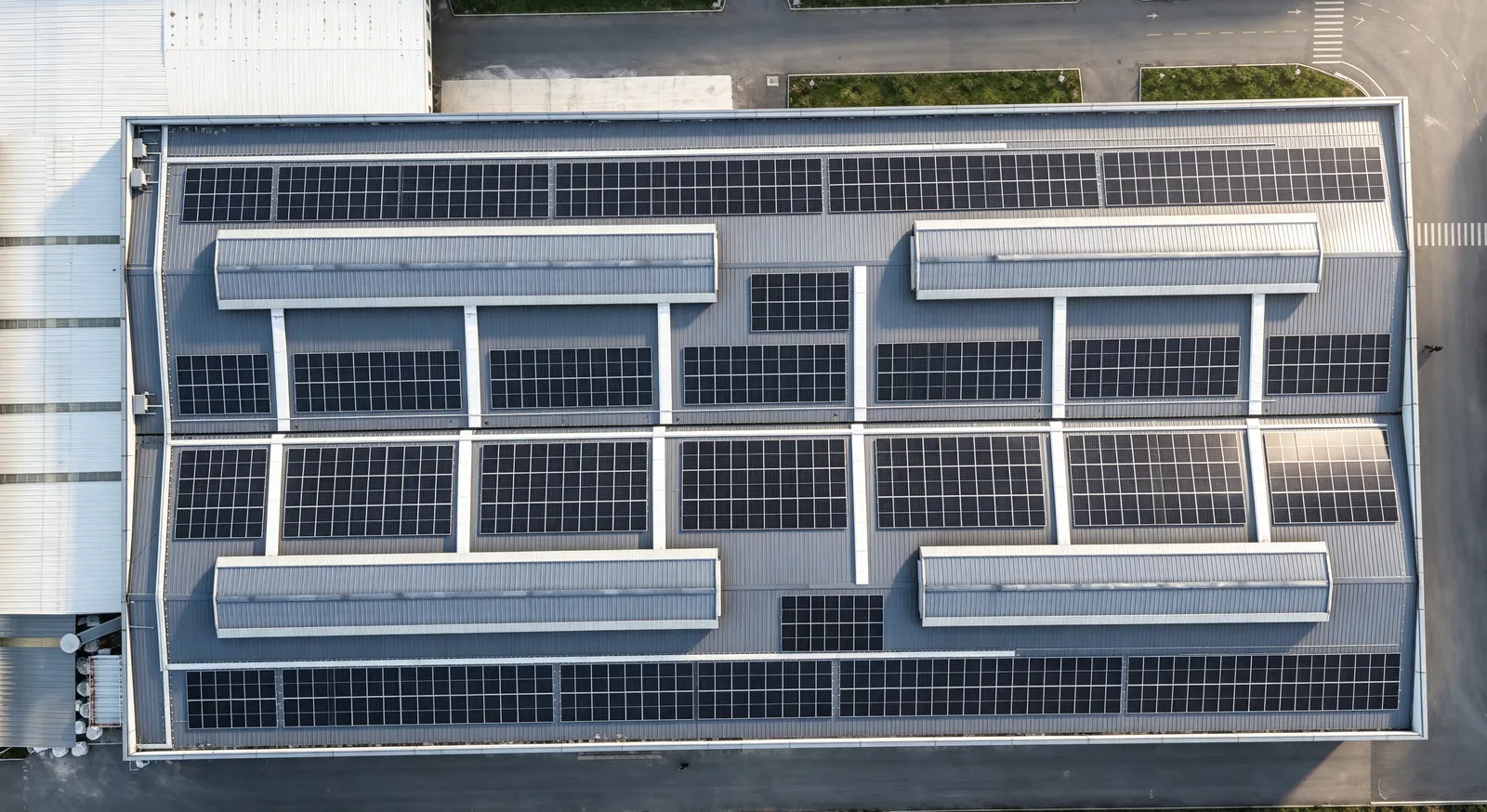
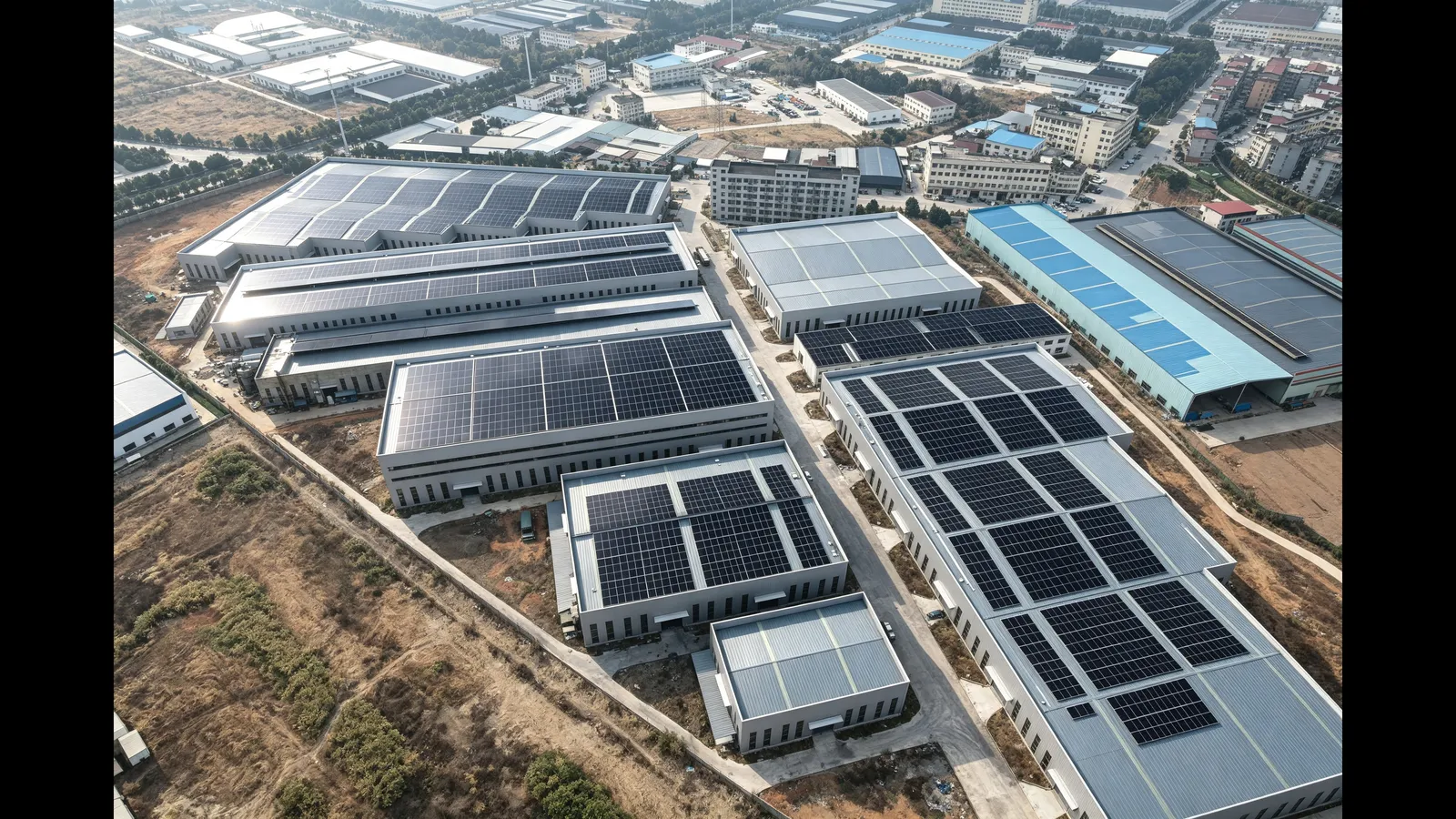
Overview of a segmented industrial rooftop solar layout
Overview of a segmented industrial rooftop solar layout
The project references in this portfolio show why complex roofs require more than a product quotation. The buyer and supplier need a clear technical basis for selection, a controlled product specification and realistic coordination of order quantity, packaging, shipping documents and delivery conditions.
Callsun supports distributors, installers, system providers and project buyers with standard-module selection, technical-parameter confirmation and volume delivery. Our role is to provide accurate product information and manufacturing support while structural design, system engineering, installation and final approval remain with qualified project parties.
Tagged
Next step
Planning an industrial rooftop solar project?
Share your target power class, roof layouts, electrical requirements and destination market - Callsun will support module selection, technical documentation and volume supply.
Contact Callsun